
Documentary Editing: Finding the Story Without Forcing the Truth
Updated: Oct 31
A documentary edit begins with an uncomfortable fact: the footage will not organize itself into an honest argument. Someone has to choose an opening, decide which answers matter and determine how long the audience stays with a face after the speaking stops. Those choices shape the viewer’s understanding.
For me, the useful question is whether the structure makes the material clearer or makes it agree with a conclusion too neatly. A film needs direction. The people inside it need enough room to remain complicated.
Start with a question the footage can challenge
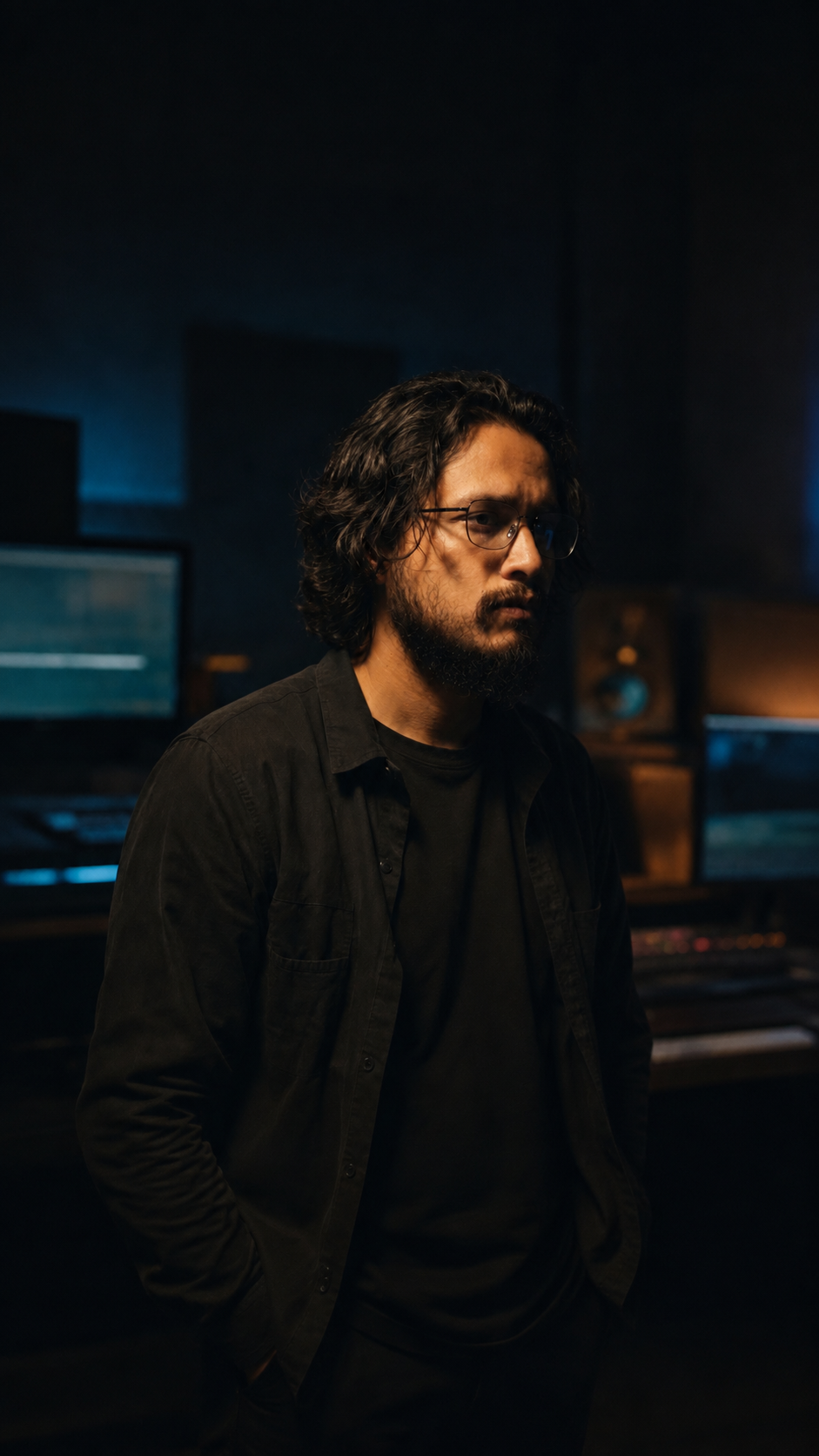
Imagine a film about a musician returning to the town they left. The initial premise might be reconciliation. The footage may reveal affection, resentment and a desire to leave again. If every scene is arranged to confirm a homecoming, the film will lose the contradiction that gives the return its weight.
A working question keeps the edit open: what does this person expect to recover, and what has changed? Build a first assembly around what the material actually shows. Keep a separate record of moments that complicate the premise. They may become the film’s most useful scenes.

Keep answers attached to their context
Interview editing becomes easier when useful sentences are logged by topic. It also becomes easier to detach a sentence from the question that produced it. Before moving an answer, listen to the surrounding exchange. Check whether a pronoun still has the same referent, whether the speaker is describing a different period and whether a qualification has disappeared.
A statement such as “I wanted to leave” means something different when it refers to one difficult afternoon rather than an entire childhood. The words can remain unchanged while the edit quietly broadens the claim. Context is part of the material.
Treat reaction shots as statements
A cut to someone listening tells the audience that their expression belongs to what they have just heard. If the image comes from a different part of the conversation, it may suggest an emotional connection that was never recorded.
When reviewing a reaction shot, ask what relationship the cut implies and whether the footage supports it. A technically smooth transition can still create a misleading association. Sometimes staying on the speaker is the more precise choice.
Let uncertainty have a duration
Silence can contain thought, resistance, fatigue or nothing useful at all. It deserves a decision as careful as the spoken answer. Try a version that preserves the pause and another that removes it. Watch what changes in the person’s apparent confidence.
Music deserves the same scrutiny. A cue can bring continuity to a scene, but it can also push an ambiguous moment toward triumph or suspicion. Review a difficult passage without the score. If the interpretation depends entirely on the music, reconsider how strongly the sequence is making its claim.
Review the argument, not just the continuity
Before picture lock, describe each sequence in one sentence: what will a viewer probably conclude from this arrangement? Then identify the material that supports that conclusion and the material it leaves out. This does not demand that every answer appear on screen. It makes the exclusions deliberate.
A strong documentary can be clear about its perspective while allowing a subject to surprise it. The edit earns that complexity through small decisions about context, order and time.












Comments