AI’s Future Has an Infrastructure Bill
Updated: 1 day ago

Artificial intelligence may transform work. Turning that potential into an affordable economic system is a much longer journey.
We are told that artificial intelligence will replace human labor, universal basic income will become normal, and energy will eventually replace money as the foundation of economic value.
My view is more cautious: a world that fully resembles those predictions is still at least twenty years away.
That is an opinion about the pace of economic change, not a claim that AI will stand still. Individual jobs and businesses could change much sooner. But moving from impressive technology to an economy organized around automated labor requires far more than better models.
It requires infrastructure. And somebody has to pay for it.
Automation has an operating cost
Human employees cost money. So do the systems designed to replace their work.
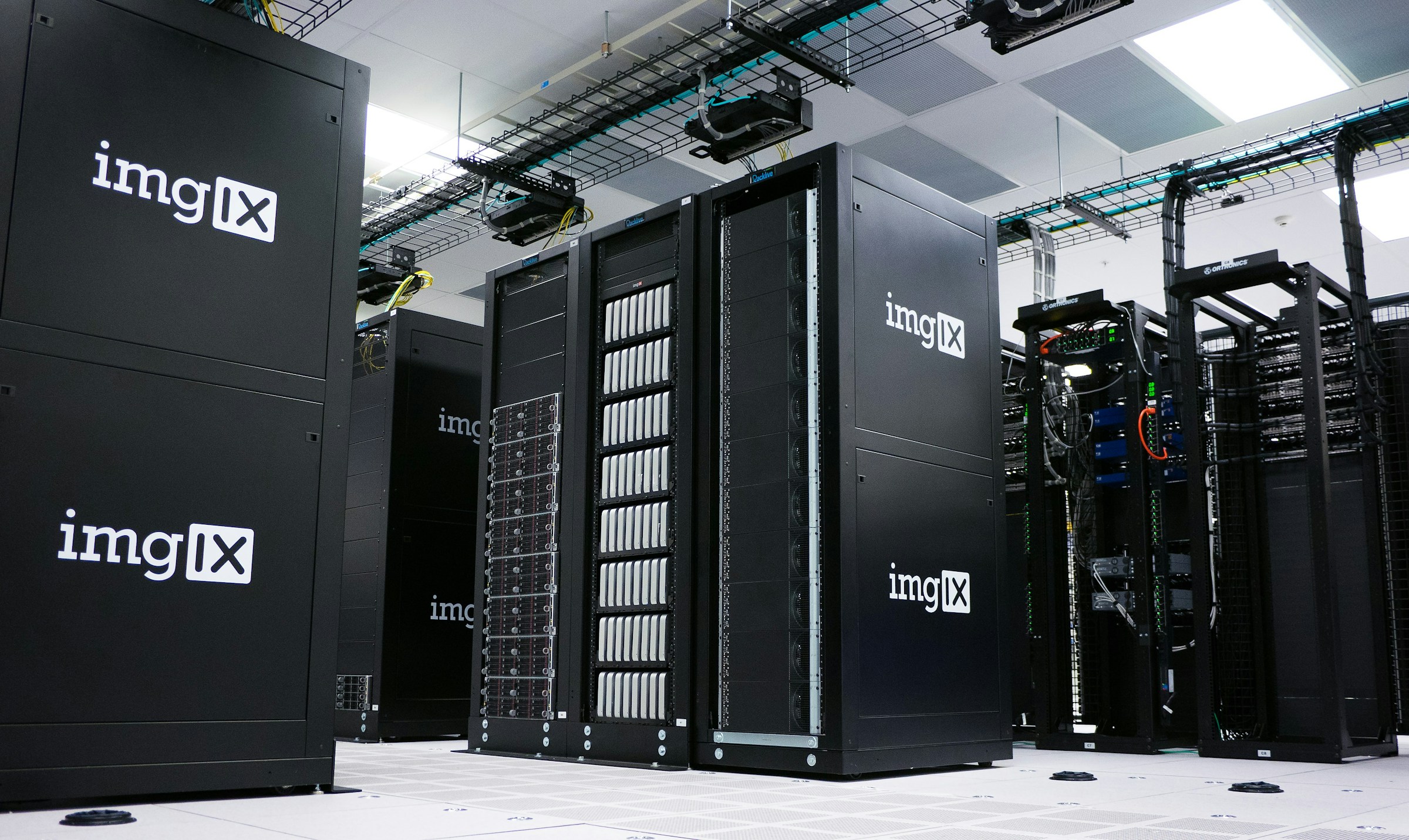
AI depends on computing hardware, electricity, cooling, networks, and physical facilities. Businesses also have to account for integration, security, supervision, and the cost of correcting mistakes.
For some tasks, that investment already makes sense. For others, replacing an entire department could prove more expensive or less dependable than keeping an experienced team.
The useful comparison is the total cost of completing work to an acceptable standard. A subscription price alone cannot answer that question.
The numbers require context
Reuters reported on October 20 that Anthropic recorded an $80.7 billion net loss in the first half of 2026. Around $72 billion reflected an accounting charge associated with convertible bonds, rather than cash spent on operations. That distinction matters: the headline loss cannot be treated as an electricity or computing bill.
Those figures do not establish that AI is uneconomic. They illustrate why financial headlines need careful interpretation when discussing the industry’s future.
Heavy investment can build a valuable business. It can also take years to produce sustainable returns. Technological progress and profitability follow different schedules.
Global demand complicates the equation
More efficient chips and models could reduce the cost of individual tasks. At the same time, rising demand could put pressure on electricity supplies, hardware availability, and data center capacity.
Which force dominates will depend on where AI is deployed, what it is asked to do, and how quickly infrastructure expands.

That makes universal predictions difficult. A tool that saves money in one business may add expense in another.
For film and creative production, the same discipline applies. Generating an image or a sequence is only one part of delivering a finished project. Direction, consistency, revisions, rights, and accountability also shape the final cost.

Income and money require separate decisions
Even widespread automation would not automatically create universal basic income. Governments would still need to decide how to fund it, who qualifies, and how the benefits of increased productivity are distributed.
Energy becoming more economically important would not automatically make it a substitute for money either. Electricity can power production, but societies still need ways to price goods, settle obligations, and allocate ownership.
These are institutional and political questions as much as technological ones.
Why I See a Twenty-Year Transition
AI companies are investing in the economy they expect to emerge. Whether that economy arrives quickly, affordably, and broadly remains uncertain.
I expect substantial change over the next twenty years. I am less convinced that the sweeping promises will become everyday reality much sooner.
Technological potential is one thing. Economic scalability is another.
Source: Reuters, October 20, 2026 — https://www.reuters.com/business/anthropic-recorded-net-loss-over-80-billion-first-half-this-year-wsj-reports-2026-10-20/
























Comments